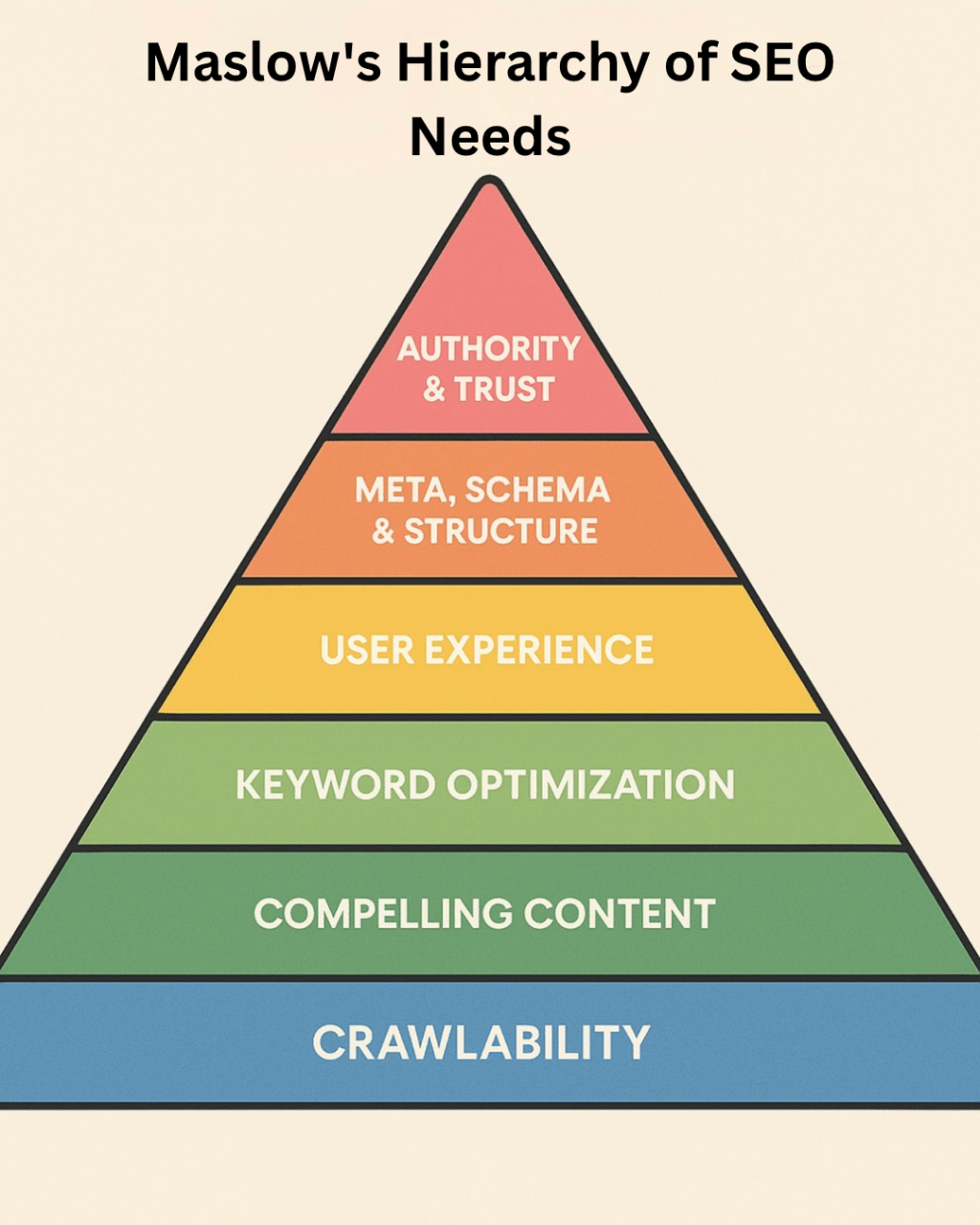
Imagine two university professors, both experts in the same niche, both publishing well written, thoroughly researched papers on identical topics. One professor’s work consistently appears at the top of academic journals, cited by countless others, while the other’s, though equally valid, struggles to gain widespread recognition. What is the difference? It is their established authority within their field.
In the digital realm, search engines like Google operate on a remarkably similar principle. While compelling content and excellent technical optimisation are crucial table stakes, they are often not enough to secure the top spots, especially in competitive landscapes. This is where website authority steps in.
Website authority is essentially a measure of your website’s perceived trustworthiness, credibility, and expertise in the eyes of search engines. It is a holistic metric, not a single score, built up over time through various signals that demonstrate your site is a reliable, valuable resource. When Google sees a website as authoritative, it is more likely to trust that site to provide the best answers to user queries, even if another site has similar content.

You’ve hit upon one of the most perplexing questions in the world of online visibility: Why do some websites, seemingly with similar content to their rivals, consistently outrank them on search engines?
It is a common query, and the answer, more often than not, boils down to a single, powerful factor: Authority.
How to Cultivate Your Website’s Authority: A Long Term Endeavour
Building authority is not a quick fix or a simple toggle switch. It is a long term, strategic process that requires consistent effort and a genuine commitment to providing value. Think of it as nurturing a reputation over many years.
Here are the key pillars to establishing and growing your website’s authority:
- Exceptional Content: The Cornerstone of Trust:This is where it all begins. Beyond just being “good,” your content needs to be comprehensive, accurate, unique, and genuinely helpful. Go deeper than your competitors. Offer fresh perspectives. Provide actionable insights. Solve your audience’s problems definitively. When users find true value in your content, they spend more time on your site, return regularly, and are more likely to share it, all of which send positive signals to search engines. Your content should demonstrate your expertise and thought leadership.
- Backlinks: The Ultimate Vote of Confidence If content is your foundation, backlinks are the vital connections that strengthen your entire structure. A backlink is simply a link from another website to yours. When a reputable, authoritative website links to your content, it acts as a “vote of confidence” or an endorsement. It tells search engines that your content is valuable and trustworthy. Not all backlinks are created equal; a link from a highly respected industry publication carries far more weight than one from a brand new, unrelated blog.Building high quality backlinks is a meticulous process. It involves:
- Creating link worthy content: Content so good that others want to link to it naturally.
- Outreach: Proactively connecting with other relevant websites, industry influencers, and journalists to highlight your valuable resources.
- Broken link building: Finding broken links on other sites and suggesting your relevant content as a replacement.
- Guest posting: Contributing valuable articles to other reputable sites in your niche, with a link back to your own.
- User Experience (UX): A Signal of Quality A website that is fast, secure, mobile friendly, and easy to navigate implicitly signals authority. If visitors enjoy their experience on your site, they are more likely to stay longer, visit more pages, and return in the future. These positive user signals (like low bounce rates and high dwell time) tell search engines that your site is providing a good experience, contributing to its perceived authority.
- Brand Building & Mentions: Beyond the Link Authority isn’t solely about links. Brand mentions (even unlinked ones) across the web, social media engagement, and direct traffic to your site all contribute to your overall authority. When people are searching for your brand by name, sharing your content on social platforms, or discussing your company in online forums, it indicates that you are a recognised and trusted entity within your industry. Cultivating a strong, positive brand image directly enhances your digital authority.
- Topical Depth: Becoming the Go To Resource Instead of scattering your efforts across countless disparate topics, focus on becoming the definitive resource for a specific cluster of related subjects. By creating a wealth of interconnected, high quality content around a particular theme, you demonstrate profound topical authority. This signals to search engines that you are the “go to” expert in that area, making your content more likely to rank for a wide range of related queries.
The Long Game Pays Off
The process of building website authority is undeniably a long term endeavour. It requires patience, consistent investment in quality content, strategic outreach, and a relentless focus on user experience. There are no shortcuts, and any attempts at “gaming the system” with low quality tactics will ultimately backfire, harming your authority rather than enhancing it.
However, the rewards are substantial. A high authority website not only ranks higher for its target keywords but also enjoys:
- Greater resilience to algorithm updates.
- Faster indexing of new content.
- Higher click through rates in search results due to perceived trustworthiness.
- A stronger brand presence and customer loyalty.
If you are wondering why your competitor is outranking you despite similar content, chances are they have invested significantly in building their digital authority. It is time to shift your focus from merely producing content to strategically cultivating your website’s long term influence and credibility. Begin today, and the results will follow.