Digital Work. Human Voice.

Tag: digital-marketing

  • Voice Commerce – The Future of Shopping!

    Voice Commerce – The Future of Shopping!

    Voice technology is transforming the way people shop. What once felt like science fiction is now part of everyday life. Instead of typing on a screen or clicking through an app many shoppers are now saying a few words to order what they need. This shift is called voice commerce and it is quickly becoming the future of retail.

    What is Voice Commerce?

    What is Voice Commerce?

    Voice commerce is the use of voice assistants and smart speakers to search for products place orders and complete purchases. Devices such as Amazon Alexa Google Assistant and Apple Siri are leading the way. A shopper can simply say order my favourite coffee beans or find me the best running shoes under one hundred dollars and the assistant will provide suggestions and in many cases complete the purchase instantly.

    Why Voice Commerce is the Future?

    Several powerful factors are driving the growth of this trend.

    1 Convenience

    Voice commerce removes the need to type or browse through menus. A simple request can reorder groceries or household products in seconds.

    2 Speed

    Speaking is faster than typing. Consumers can shop while multitasking whether they are cooking dinner driving or looking after children.

    3 Personalised Shopping

    Voice assistants are learning from past behaviour. They remember frequent purchases and recommend products based on habits. This personal touch makes the experience more relevant for every shopper.

    4 Smart Speaker Adoption

    The number of homes with smart speakers continues to grow worldwide. As these devices become more common the habit of shopping by voice will naturally increase.

    Examples of Voice Commerce in Action

    Amazon Alexa enables Prime members to reorder their favourite products with just a command.

    Amazon Alexa enables Prime members to reorder their favourite products with just a command.

    • Dominos Pizza lets customers place an order hands free making fast food ordering even faster.
    • Ocado created a voice feature allowing shoppers to add groceries to their basket while cooking.

    These examples show that businesses in retail food delivery and beyond are already investing in voice commerce.

    Benefits for Businesses

    Voice commerce. Voice search can introduce customers to new products. A simple query like what is the best eco friendly laundry detergent can bring smaller brands into the spotlight.

    Adopting voice commerce offers clear advantages.

    • Customer Loyalty: Once a shopper builds the habit of saying order my usual coffee they are less likely to switch to another brand.
    • Product Discovery: Voice search can introduce customers to new products. A simple query like what is the best eco friendly laundry detergent can bring smaller brands into the spotlight.
    • Accessibility: Voice technology makes shopping easier for people who may struggle with screens or typing.

    Challenges and Considerations

    Like any new technology voice commerce faces challenges. Not all consumers are ready to trust voice assistants with payments. Accuracy in recognising speech also needs improvement especially across different languages and accents. Businesses must focus on security transparency and ease of use to build confidence.

    The Future of Voice Shopping
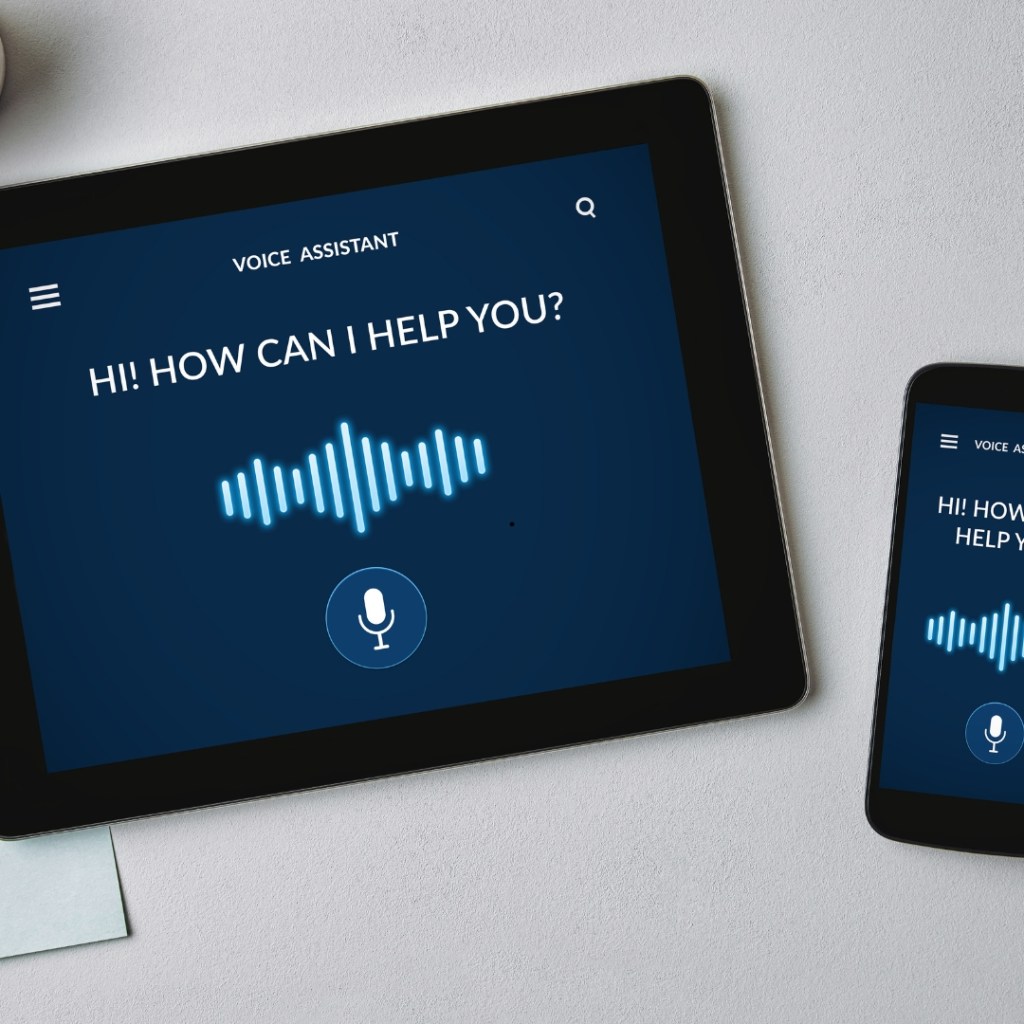
    The Future of Voice Shopping, Voice commerce

    The direction is clear. Just as mobile shopping became essential in the last decade voice commerce is now on the same path. As artificial intelligence becomes smarter the role of voice in retail will expand.

    Imagine asking your smart speaker to order everything needed for a family barbecue and having the items delivered before the evening. Scenarios like this are not far away.

    Thoughts

    Voice commerce is more than a trend. It combines speed convenience and personalisation to create a new way of shopping. For businesses it is a chance to connect with customers in a natural and direct way. For shoppers it promises a future where buying what you need is as simple as speaking.

    The question is no longer if voice commerce will shape the future but when. Those who prepare today will be ready to lead tomorrow.

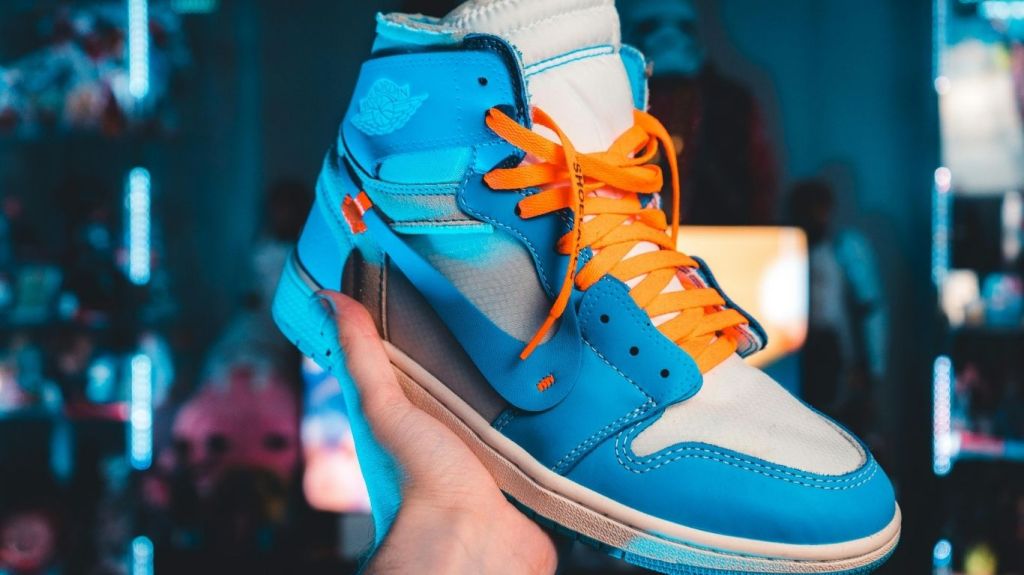
  • Zero Click AI Powered Search Is Changing The Face Of E Commerce

    Zero Click AI Powered Search Is Changing The Face Of E Commerce

    Online shopping has evolved at lightning speed, and today’s consumers expect instant, personalised answers rather than endless scrolling and filters. Imagine asking “Show me lightweight trail shoes for narrow feet” and receiving tailored recommendations in seconds. No endless menus. No complicated clicks. Just results that fit perfectly.

    Nike Leads With Intelligent, Conversational Shopping

    Nike is leading the charge with a generative AI shopping assistant that feels like chatting with a personal stylist. It adapts to your preferences, remembers your shopping history, and delivers suggestions in real time. Behind the scenes it can tag thousands of products in a single day, automating what once took weeks. The impact has been clear. Nike has seen higher engagement, more satisfied customers and conversion rates climbing by more than a quarter compared with traditional product pages.

    The Rise of Conversational Commerce

    The numbers behind conversational AI speak volumes. Customers who shop with AI guidance complete purchases almost 50% faster than those who rely on traditional browsing. Conversion rates are four times higher and returning customers tend to spend significantly more. Businesses have taken notice. Almost every major retailer is now investing in AI tools and the majority plan to increase their budgets over the coming year.

    Generative AI Is Reshaping E Commerce

    Generative AI is transforming how shoppers interact with brands. In the past year, traffic driven by AI has grown more than forty times. Visitors who arrive through AI recommendations stay longer on websites, explore more pages and bounce less often. Perhaps most importantly, revenue per visit has soared, showing that AI is not only capturing attention but also bringing shoppers closer to checkout.

    While conversion rates are still slightly lower than those from traditional search, the gap is closing quickly. Every month AI driven traffic is delivering stronger results, proving that the technology is maturing fast and becoming a reliable driver of sales.

    Examples Beyond Nike

    Levi’s has doubled the share of revenue coming from its online store over the past five years, thanks in part to AI powered personalisation and design tools. By generating new product concepts in days rather than weeks and reducing the need for physical samples, Levi’s has combined efficiency with sustainability. Luxury labels like Burberry are also experimenting with conversational shopping to create more immersive and personalised experiences.

    Across the industry, AI assisted sales have boosted seasonal shopping events as well. Online holiday sales worldwide have climbed into the hundreds of billions, with a growing share influenced directly by AI recommendations and chatbot interactions.

    Why Brands Must Act Now

    Shoppers are ready. The majority who have tried AI powered shopping say they enjoy it and many are willing to use a virtual assistant as their first point of contact with a brand. For retailers, the benefits are clear. AI automates complex tasks, makes recommendations in real time and offers customers a seamless journey that feels natural and personal.


    The Bottom Line

    Zero click AI search is no longer a futuristic idea. It is happening now and it is reshaping e commerce.

    • Nike has shown that personalised AI recommendations can drive engagement and lift conversions by more than a quarter.
    • Shoppers guided by AI convert at much higher rates, complete purchases faster and return to spend more.
    • Brands like Levi’s and Burberry are already reaping the rewards of conversational shopping experiences.

    The question for every business is simple. Are you ready to lead the conversation or will your competitors capture tomorrow’s shoppers first?