Digital Work. Human Voice.

Tag: digital-marketing

  • The Newest E-Commerce Trend You Should Know About: Live Commerce

    The Newest E-Commerce Trend You Should Know About: Live Commerce

    E-commerce is changing faster than ever, and one of the most exciting trends right now is something called live commerce. It’s making online shopping feel more real, more social, and a lot more fun.

    In this post, I’ll break down what live commerce actually is, how it works, and how it fits into the bigger world of social commerce. Whether you’re running an online shop or just love keeping up with the latest trends, this is one worth knowing about.


    What is Live Commerce?

    Put simply, live commerce is when brands or creators sell products through live video streams. While someone is presenting or demonstrating a product on video, viewers can ask questions, chat with others, and make purchases instantly often without even leaving the stream.

    It’s like watching a product demo on Instagram or TikTok Live, but with the option to buy what you see right there and then. It brings the personal touch of in-store shopping to your screen, making the whole experience more interactive and engaging.


    Is Live Commerce Part of Social Commerce?

    Yes, it definitely is. Live commerce is actually a branch of social commerce, which refers to buying and selling products directly through social media platforms like Instagram, TikTok, Facebook, and even Pinterest.

    Here’s a quick way to think about it:

    All live commerce is social commerce, but not all social commerce is live commerce.

    Live commerce uses the same platforms and social features, but it focuses on live video as the main way to showcase products and connect with customers. So while a standard social media post might have a shopping tag, live commerce lets you watch, chat, and shop, all in real time.


    Why Is Live Commerce Getting So Popular?

    live commerce social commerce online shopping

    There are a few big reasons why more brands (and shoppers) are jumping on board:

    It feels personal – Watching someone explain and use a product live feels more trustworthy than just looking at photos.
    It’s interactive – You can ask questions, get instant answers, and even help shape the direction of the stream.
    It drives fast decisions – Limited-time offers, exclusive deals, and real-time engagement create a real sense of urgency.
    It reduces returns – Shoppers get a much better idea of what they’re buying, which means fewer disappointments later.

    For businesses, this means better engagement, stronger customer loyalty, and often much higher conversion rates than traditional e-commerce.


    Where Does Live Commerce Happen?

    live commerce social commerce online shopping

    Live commerce can take place on a number of platforms. Here are a few popular ones you might have come across:

    TikTok Shop Live – Creators and brands host live shopping events where viewers can buy products without leaving the app
    Instagram Live Shopping – Instagram allows businesses to tag products in live videos for easy buying
    Amazon Live – Brands and influencers run live product showcases directly on Amazon’s platform
    Brand websites – Some businesses are adding live video shopping features directly onto their own websites

    There are also dedicated apps for live shopping like NTWRK and ShopShops, which are becoming especially popular in the US and China.


    What Does a Live Commerce Event Actually Look Like?

    If you’ve never joined one, here’s what a typical live shopping event might include:

    • A host talking about or demonstrating a product
    • Viewers chatting and asking questions in real time
    • Exclusive offers or giveaways during the stream
    • A button or link to buy the product straight away

    It’s part show, part shopping experience – and that’s what makes it so effective.


    What’s Next for Live Commerce?

    live commerce social commerce online shopping

    As tech continues to evolve, so will live commerce. Here are a few things to look out for:

    AI-powered hosts – Some brands are already experimenting with virtual influencers to run live events
    AR and virtual try-ons – Imagine watching a stream and using augmented reality to see how a sofa looks in your living room
    Gamification – Live quizzes, rewards, and mini-games that make shopping feel like entertainment
    Business-to-business live selling – Live commerce isn’t just for consumers – it’s starting to gain traction in wholesale markets too


    Thoughts!!

    Live commerce is more than just a buzzword. It’s changing how we shop online by making it more human, social, and spontaneous. As part of the bigger social commerce movement, it’s helping brands build real-time relationships with customers and turn engagement into instant sales.

    If you run an online shop or market products online, now’s a great time to explore live commerce. And if you’re a shopper who loves discovering new things, it’s a fun way to see products in action before you buy.

    Thanks for reading and let me know in the comments if you’ve ever joined a live shopping stream or are thinking about trying it yourself.

  • Are Your Products Really Profitable for Amazon? Let’s Talk Net PPM!

    Are Your Products Really Profitable for Amazon? Let’s Talk Net PPM!

    Ever stared at “Net PPM” in your Amazon Vendor Central reports and wondered, “What exactly is this, and why should I care?” Good news: understanding this crucial metric is absolutely fundamental to your success as a vendor on Amazon. Ignoring it is akin to navigating a ship without knowing if you are carrying enough fuel.


    Net PPM: Amazon’s True Profitability Barometer

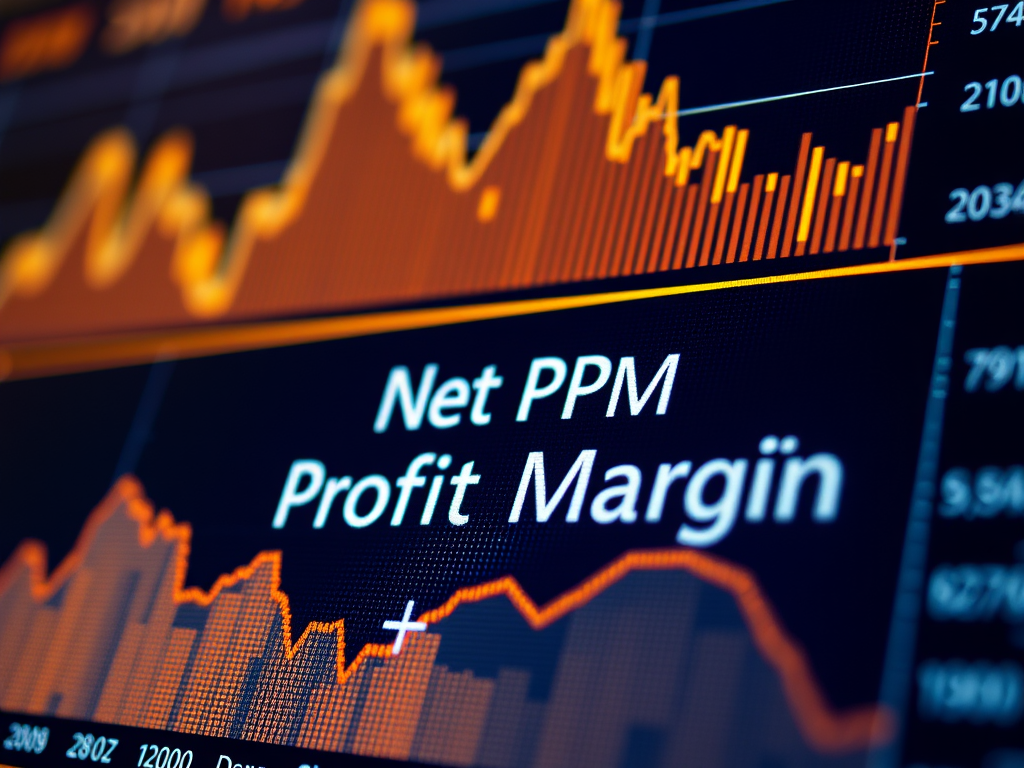
    First things first: Net PPM (Net Pure Profit Margin) is NOT your profit margin. Let’s be crystal clear on that. It is Amazon’s own internal profitability metric for your products, a deeply insightful figure that reveals precisely how much money they are making after purchasing from you.

    Net PPM is calculated by factoring in your wholesale price, all your vendor contributions (like co op agreements, marketing allowances, or slotting fees), and any sales discounts or promotions that might impact their ultimate revenue. In essence, it is Amazon’s rigorous assessment of your product’s financial contribution to their bottom line.


    Why Does Amazon Share This Data With You?

    A chart or graph displaying financial data, with a clear focus on "Net PPM" or "Profit Margin"
    A chart or graph displaying financial data, with a clear focus on “Net PPM” or Profit Margin

    You might think it curious that Amazon provides you with such a sensitive internal metric. However, it is a powerful strategic tool for them, designed to influence vendor behaviour and optimise their own vast retail operation.

    • Their Profitability Barometer: Amazon uses Net PPM to instantly see how valuable your products are to their bottom line. A low Net PPM signals a problem for them, indicating that a particular product is not pulling its weight financially within their system.
    • Influencing Your Actions: By transparently showing you this data, Amazon implicitly sends a clear message: “Help us make more money on your products!” This nudge encourages vendors to critically review and optimise their costs, manage promotions strategically, and ensure their products contribute positively to Amazon’s financials. It is about aligning your incentives with theirs.
    • Negotiation Leverage: Come negotiation time, Net PPM is not just a secondary point; it is a primary discussion point. If your products boast a consistently healthy Net PPM for Amazon, you gain significant leverage in discussions about terms, pricing, or even new product launches. Conversely, if it is consistently low, you can expect substantial pressure to make concessions or adjust your commercial arrangements.
    • Avoiding the “CRaP Out” Risk: Perhaps one of the most critical reasons to pay attention is the risk of being deemed “CRaP” (Can’t Realise any Profit). Products with consistently poor Net PPM for Amazon are at high risk of falling into this category. This can lead to a range of detrimental outcomes for vendors, including reduced purchase orders, loss of eligibility for key advertising programmes, or even the dreaded delisting of your product from Amazon’s catalogue. Amazon gives you the data to try and prevent this outcome, effectively providing you with a chance to address the issue before it escalates.

    Your Action Plan as a Vendor: Mastering Net PPM

    Don’t let Net PPM remain a mystery. Mastering this metric is a fundamental step towards building a more sustainable and ultimately more profitable partnership with Amazon.

    1. Monitor Actively: Make it a regular habit to dive into your Retail Analytics in Vendor Central. Track Net PPM not just for your entire catalogue but, crucially, for individual ASINs. Identify which products are performing well and which are flagging.
    2. Identify Opportunities: Pinpoint those products with consistently low Net PPM. Can you work on optimising your cost structure with your manufacturers? Is it time to re evaluate your contributions and allowances? Could a refinement of your promotional strategy boost Amazon’s margin without compromising your own? Each low Net PPM product represents an opportunity for improvement.
    3. Prepare for Discussions: When your Vendor Manager inevitably brings up Net PPM, be ready. Understand your numbers inside out and have a clear, data backed plan to demonstrate how your products add value and contribute positively to Amazon’s profitability. Proactivity here can turn a potential challenge into a collaborative success.

    Understanding Net PPM moves you from being a passive supplier to a strategic partner in Amazon’s ecosystem. It is not just about their profit; it is about securing your future sales and ensuring your products remain viable and prioritised on the world’s largest online marketplace.