Remember watching a TV shopping channel as a kid, someone holding up a product, telling you why you needed it, and giving you a number to call? Livestream shopping is that, but reimagined for the internet generation, and it is growing faster than almost anything else in ecommerce right now.
If you have never heard of it, do not worry. By the end of this post you will understand exactly what it is, why it is working, and why every brand, big or small, needs to pay attention.
So What Actually Is Livestream Shopping?
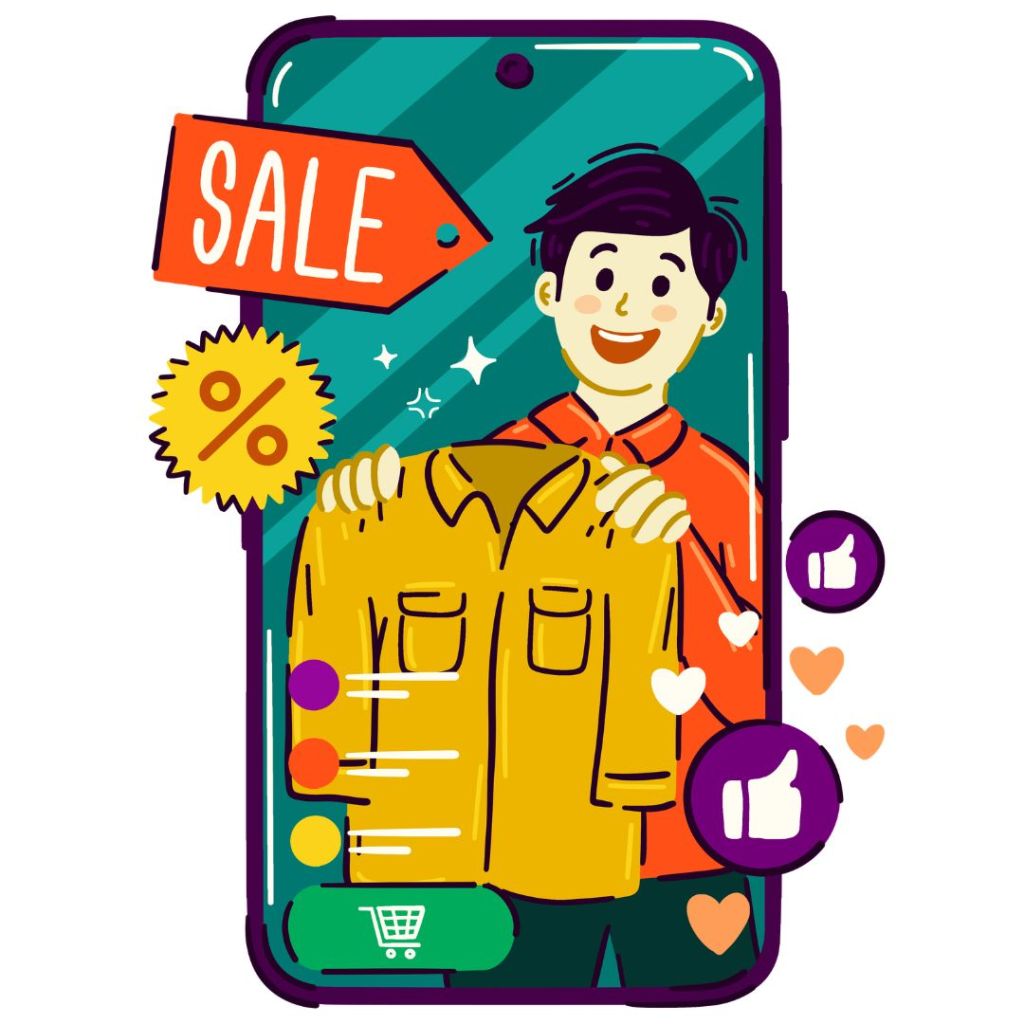
Livestream shopping is when a host, a brand, a creator, or a retailer broadcasts a live video where they show products in real time. Viewers can watch, ask questions in the chat, and buy the product without ever leaving the stream.
Think of it like FaceTime with a shop assistant, but thousands of people are watching at the same time and everyone can buy with one tap.
It is already happening on TikTok Shop, Instagram Live, YouTube, Amazon Live, and a growing platform called Whatnot. You have probably scrolled past one without even realising it was a shopping event.
Why Is It Exploding Right Now?
The numbers tell the story better than anything.
US livestream ecommerce sales grew nearly 50% in 2025, reaching $14.64 billion, with the number of buyers jumping over 21% year on year. emarketer
But the real reason it is growing is conversion. Standard product pages convert at around 2 to 3%. Livestream shopping converts at between 9% and 30%. That is up to ten times better than a normal online shop. The reason is simple. When you watch a real person hold a product, answer questions live, and show you exactly how it works, you trust it far more than a photo and a description written by the brand. Terrificlive
Around 60% of Chinese online shoppers already engage in livestream shopping, and China’s video stream sales reached nearly five trillion yuan in 2023. The West is only just catching up. BigCommerce
How Does It Actually Work?
Here is the basic journey from start to finish.
A brand or creator goes live on a platform. They show a product, demonstrate it, talk about it, and answer questions from viewers typing in the chat. While they are talking, product links or buy buttons appear on screen. A viewer sees something they like, taps the button, and checks out without leaving the video.
The purchasing happens directly inside the stream through embedded shopping features like product cards, overlays, and carousels linked to a product catalogue, with in-stream checkout that reduces friction and boosts conversions. GetStream
The whole experience feels less like shopping and more like entertainment. That is the point.
Who Is It For?
Here is the great news if you are just starting out. Livestream shopping works across brand sizes. The advantages of real time demonstration, live Q&A, and urgency apply equally to a small jewellery maker with 500 email subscribers and a large fashion retailer with millions of followers. Mylivecart
It works best for products that need demonstrations, like fashion, electronics, or beauty, because live demonstrations clarify important product features and help customers make informed purchasing decisions. WC Vendors
But it is spreading into food, home goods, books, sports equipment, and more. If your product has a story to tell, livestream is a way to tell it.
What Platforms Should You Know About?
TikTok Shop is currently the biggest player in social commerce. TikTok Shop accounts for nearly 20% of the US social commerce market. If your audience is under 35, this is where they are. emarketer
Amazon Live lets brands and influencers stream directly on Amazon product pages, reaching people who are already in buying mode.
Whatnot is a standalone livestream shopping platform that launched in 2019 and is growing rapidly. Consumers made more than $6 billion in purchases on Whatnot in 2025 alone. Search Engine Land
Instagram and YouTube both have built in live shopping features and are solid options if you already have an audience on those platforms.
Why Should You Care Even If You Are Just Starting Out?
Because right now, livestream shopping is still early enough in most Western markets that getting in gives you a real advantage. The brands building their live shopping presence today are collecting data, building loyal audiences, and earning trust that their competitors will have to spend years and money trying to catch up on.
You do not need a big budget. You do not need a professional studio. You need a phone, a product worth showing, and the willingness to show up and talk to people honestly.
The format rewards authenticity far more than polished production. That levels the playing field for smaller brands in a way that traditional advertising never did.
The Bottom Line
The technology is already here. The platforms are already built. The audiences are already watching
Livestream shopping is not a gimmick. It is the closest thing ecommerce has ever had to recreating the experience of being in a shop with someone who actually knows the product and can answer your questions on the spot.
The only question is whether your brand will show up.
Want to learn more about the latest ecommerce strategies? Explore more posts on the blog or get in touch!!