Digital Work. Human Voice.

Tag: Ecommerce Blogs

  • Zero Click AI Powered Search Is Changing The Face Of E Commerce

    Zero Click AI Powered Search Is Changing The Face Of E Commerce

    Online shopping has evolved at lightning speed, and today’s consumers expect instant, personalised answers rather than endless scrolling and filters. Imagine asking “Show me lightweight trail shoes for narrow feet” and receiving tailored recommendations in seconds. No endless menus. No complicated clicks. Just results that fit perfectly.

    Nike Leads With Intelligent, Conversational Shopping
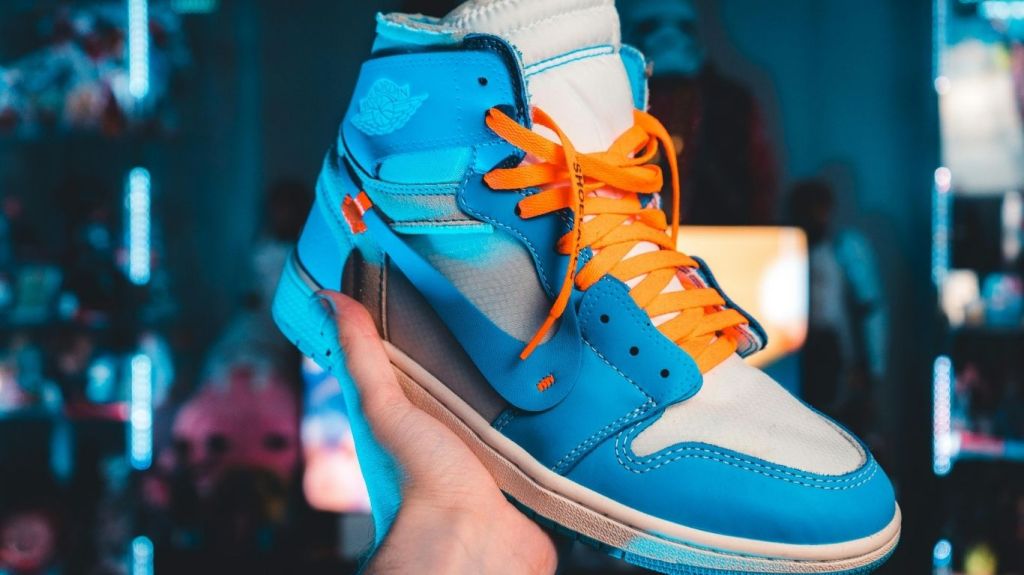
    Nike is leading the charge with a generative AI shopping assistant that feels like chatting with a personal stylist. It adapts to your preferences, remembers your shopping history, and delivers suggestions in real time. Behind the scenes it can tag thousands of products in a single day, automating what once took weeks. The impact has been clear. Nike has seen higher engagement, more satisfied customers and conversion rates climbing by more than a quarter compared with traditional product pages.

    The Rise of Conversational Commerce

    The numbers behind conversational AI speak volumes. Customers who shop with AI guidance complete purchases almost 50% faster than those who rely on traditional browsing. Conversion rates are four times higher and returning customers tend to spend significantly more. Businesses have taken notice. Almost every major retailer is now investing in AI tools and the majority plan to increase their budgets over the coming year.

    Generative AI Is Reshaping E Commerce

    Generative AI is transforming how shoppers interact with brands. In the past year, traffic driven by AI has grown more than forty times. Visitors who arrive through AI recommendations stay longer on websites, explore more pages and bounce less often. Perhaps most importantly, revenue per visit has soared, showing that AI is not only capturing attention but also bringing shoppers closer to checkout.

    While conversion rates are still slightly lower than those from traditional search, the gap is closing quickly. Every month AI driven traffic is delivering stronger results, proving that the technology is maturing fast and becoming a reliable driver of sales.

    Examples Beyond Nike

    Levi’s has doubled the share of revenue coming from its online store over the past five years, thanks in part to AI powered personalisation and design tools. By generating new product concepts in days rather than weeks and reducing the need for physical samples, Levi’s has combined efficiency with sustainability. Luxury labels like Burberry are also experimenting with conversational shopping to create more immersive and personalised experiences.

    Across the industry, AI assisted sales have boosted seasonal shopping events as well. Online holiday sales worldwide have climbed into the hundreds of billions, with a growing share influenced directly by AI recommendations and chatbot interactions.

    Why Brands Must Act Now

    Shoppers are ready. The majority who have tried AI powered shopping say they enjoy it and many are willing to use a virtual assistant as their first point of contact with a brand. For retailers, the benefits are clear. AI automates complex tasks, makes recommendations in real time and offers customers a seamless journey that feels natural and personal.


    The Bottom Line

    Zero click AI search is no longer a futuristic idea. It is happening now and it is reshaping e commerce.

    • Nike has shown that personalised AI recommendations can drive engagement and lift conversions by more than a quarter.
    • Shoppers guided by AI convert at much higher rates, complete purchases faster and return to spend more.
    • Brands like Levi’s and Burberry are already reaping the rewards of conversational shopping experiences.

    The question for every business is simple. Are you ready to lead the conversation or will your competitors capture tomorrow’s shoppers first?


  • Would You Pay $1 for Sustainable Shipping? Looks Like the Majority of Gen Z Will. But It Should Not Just Be About Them!

    Would You Pay $1 for Sustainable Shipping? Looks Like the Majority of Gen Z Will. But It Should Not Just Be About Them!

    Imagine this. You are about to check out after doing some online shopping. You see an option that says “Choose eco-friendly shipping for £1 more.”
    Would you go for it?

    For many people today, especially younger shoppers, the answer is yes. More of us are starting to think about what it really takes to get a parcel to our doorstep. And it is not just the speed or convenience. It is also about the environmental impact.


    Why Sustainable Shipping Matters

    Sustainable Shipping Sustainable Shopping Sustainable Delivery

    Most parcels are delivered using vans and lorries that run on fossil fuels. Many are packed with unnecessary plastic and packaging. When you multiply that by millions of deliveries every day, the environmental cost is huge.

    According to the World Economic Forum, delivery traffic in cities is expected to rise by nearly 80 percent by 2030. That could lead to over 30 percent more emissions just from deliveries alone.

    This is not just about air pollution. It is about climate change, traffic congestion, and waste. Shipping may feel invisible, but it plays a big role in how much harm or good a business can do to the planet.


    Yes, Gen Z Cares, But They Are Not the Only Ones

    Sustainable Shipping Sustainable Shopping Sustainable Delivery

    Research shows that younger generations are leading the way when it comes to sustainability.

    • 62% of Gen Z would pay at least £1 more for sustainable shipping options (Firstinsight, 2024).
    • 80% said they would pay more for sustainable last mile delivery (UNiDAYS Survey, 2022).
    • Research of 1,036 Gen Z consumers found that 56% are less inclined to buy from a retailer again or would look for a different retailer in the future if delivery packaging wasn’t sustainable or resourceful.(365 Retail, 2022).

    But it is not just Gen Z. People of all ages are starting to expect more from the businesses they support. According to NielsenIQ’s Green Divide report (2023), 70% of consumers say sustainability is more important to them now than it was two years ago. This trend demonstrates that environmental factors are rising in priority when selecting brands or products

    Being sustainable is no longer something that only appeals to a niche group. It is quickly becoming a basic expectation.


    What Should Businesses Be Doing?

    Sustainable Shipping Sustainable Shopping Sustainable Delivery

    If you run an online store or ship products, ask yourself:

    • Are you offering your customers the chance to choose eco-friendly shipping?
    • Is that choice clearly visible and easy to understand during checkout?
    • Are you reducing packaging waste where possible?
    • Have you looked at how your deliveries impact the environment?

    Being a good business today means thinking beyond sales and profits. It means asking how your operations affect the world around you.


    Doing the Right Thing is Good for Business Too

    Many businesses think sustainability will cost more or make things harder. But often it can lead to better results in the long run.

    Here are a few simple things that help:

    • Partner with couriers who use electric vehicles or offset their carbon emissions
    • Switch to packaging that is recyclable, compostable or made from recycled materials
    • Let customers choose slower but greener shipping if they are willing to wait
    • Be open about the steps you are taking, even if you are just starting out

    Customers appreciate honesty. They want to see that you are trying.


    This Is Bigger Than One Click at Checkout

    Sustainable Shipping Sustainable Shopping Sustainable Delivery

    Sustainability is not just a buzzword or a trend. It is a responsibility. Every business has a part to play. Choosing to offer eco-friendly shipping for £1 is a small change that shows customers you care about more than just profit.

    When you make it easy for people to make better choices, they often will. That matters. Because every parcel, no matter how small, has an impact.

    The real question is this:

    Are we doing enough to make that impact a positive one?