
Imagine this. You are about to check out after doing some online shopping. You see an option that says “Choose eco-friendly shipping for £1 more.”
Would you go for it?
For many people today, especially younger shoppers, the answer is yes. More of us are starting to think about what it really takes to get a parcel to our doorstep. And it is not just the speed or convenience. It is also about the environmental impact.
Why Sustainable Shipping Matters

Most parcels are delivered using vans and lorries that run on fossil fuels. Many are packed with unnecessary plastic and packaging. When you multiply that by millions of deliveries every day, the environmental cost is huge.
According to the World Economic Forum, delivery traffic in cities is expected to rise by nearly 80 percent by 2030. That could lead to over 30 percent more emissions just from deliveries alone.
This is not just about air pollution. It is about climate change, traffic congestion, and waste. Shipping may feel invisible, but it plays a big role in how much harm or good a business can do to the planet.
Yes, Gen Z Cares, But They Are Not the Only Ones

Research shows that younger generations are leading the way when it comes to sustainability.
- 62% of Gen Z would pay at least £1 more for sustainable shipping options (Firstinsight, 2024).
- 80% said they would pay more for sustainable last mile delivery (UNiDAYS Survey, 2022).
- Research of 1,036 Gen Z consumers found that 56% are less inclined to buy from a retailer again or would look for a different retailer in the future if delivery packaging wasn’t sustainable or resourceful.(365 Retail, 2022).
But it is not just Gen Z. People of all ages are starting to expect more from the businesses they support. According to NielsenIQ’s Green Divide report (2023), 70% of consumers say sustainability is more important to them now than it was two years ago. This trend demonstrates that environmental factors are rising in priority when selecting brands or products
Being sustainable is no longer something that only appeals to a niche group. It is quickly becoming a basic expectation.
What Should Businesses Be Doing?
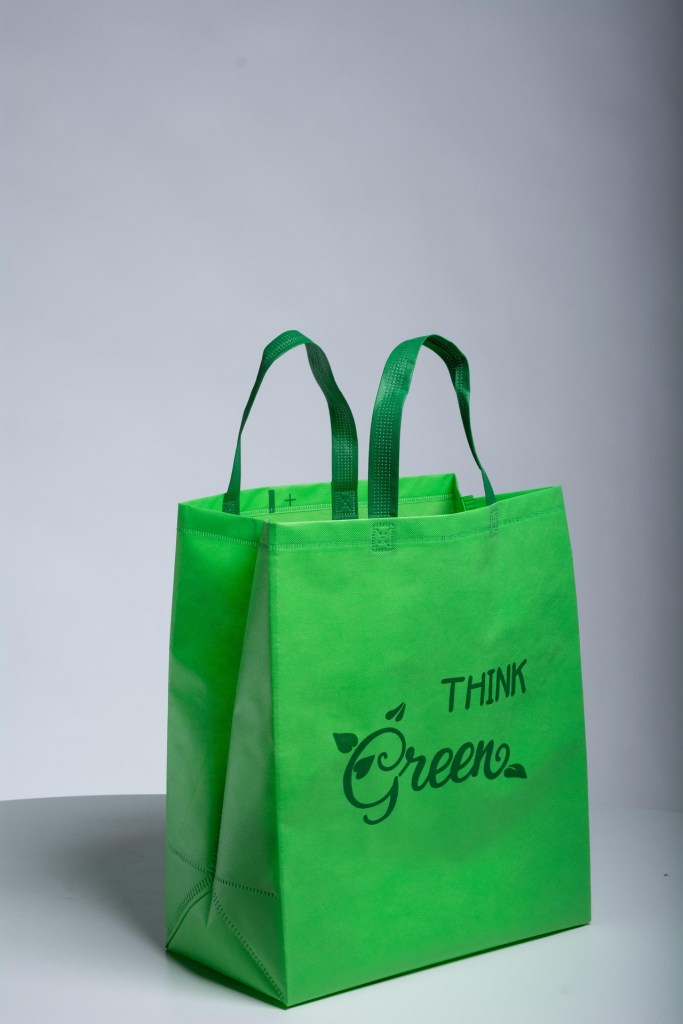
If you run an online store or ship products, ask yourself:
- Are you offering your customers the chance to choose eco-friendly shipping?
- Is that choice clearly visible and easy to understand during checkout?
- Are you reducing packaging waste where possible?
- Have you looked at how your deliveries impact the environment?
Being a good business today means thinking beyond sales and profits. It means asking how your operations affect the world around you.
Doing the Right Thing is Good for Business Too
Many businesses think sustainability will cost more or make things harder. But often it can lead to better results in the long run.
Here are a few simple things that help:
- Partner with couriers who use electric vehicles or offset their carbon emissions
- Switch to packaging that is recyclable, compostable or made from recycled materials
- Let customers choose slower but greener shipping if they are willing to wait
- Be open about the steps you are taking, even if you are just starting out
Customers appreciate honesty. They want to see that you are trying.
This Is Bigger Than One Click at Checkout

Sustainability is not just a buzzword or a trend. It is a responsibility. Every business has a part to play. Choosing to offer eco-friendly shipping for £1 is a small change that shows customers you care about more than just profit.
When you make it easy for people to make better choices, they often will. That matters. Because every parcel, no matter how small, has an impact.

Leave a comment