
Digital Work. Human Voice.

Tag: e-commerce

  • Why Shopify is a Game Changer for E-commerce Management

    Why Shopify is a Game Changer for E-commerce Management

    Managing e-commerce operations can, at times, feel incredibly overwhelming. The sheer number of moving parts, from inventory to payments, marketing to customer service, can easily lead to a scattered approach. However, with Shopify, it honestly feels like a breeze.

    As someone who personally handles Shopify for my company, I can confidently say it is one of the most organised and user friendly platforms out there. Whether you are just starting your online venture or running a full scale e-commerce business with thousands of products, Shopify simplifies the entire process in ways that truly make a tangible difference to daily operations and overall growth.


    Why Shopify Stands Out in the E-commerce Crowd

    Shopify, E-commerce Management, Online Store, E-commerce Platform, Digital Marketing, Business Growth, Inventory Management, Payment Processing, Shopify Apps, Online Business, Retail Technology

    Shopify has carved out its dominant position in the market for very good reasons. Its core design philosophy centres on empowering merchants, regardless of their technical prowess or business size.

    • All in One Solution: Forget the headache of juggling multiple tools and subscriptions. From comprehensive inventory management to secure payment processing, and even built in analytics, Shopify covers virtually everything you need under one digital roof. This integrated approach saves time, reduces errors, and keeps your entire operation neatly consolidated.
    • User Friendly Interface: You do not have to be a tech expert or possess coding knowledge to get started or make changes on the go. Shopify’s intuitive design means you can set up your store, add products, manage orders, and launch marketing campaigns with remarkable ease. This accessibility is a huge advantage for businesses focused on growth, not technical troubleshooting.
    • Customisable Themes: Your online store is your digital shop window, and first impressions count. Shopify offers a vast array of customisable themes, both free and paid, allowing your store to look as unique and professional as your brand. This flexibility ensures your online presence reflects your identity and resonates with your target audience.
    • Robust App Ecosystem: Need an extra feature? The Shopify App Store is a veritable treasure trove, offering thousands of applications to extend your store’s functionality. Whether you require advanced SEO tools, sophisticated email marketing integrations, streamlined shipping solutions, or powerful upselling features, there is an app for almost every business need, seamlessly integrating with your store.
    • Scalable for Growth: One of Shopify’s most compelling attributes is its inherent scalability. Whether you are selling ten artisanal products from your spare room or managing a global operation with ten thousand items and hundreds of thousands of customers, Shopify effortlessly scales with your business needs. You will not outgrow the platform, allowing you to focus on expansion with confidence.

    Tips and Tricks for Maximising Your Shopify Potential

    While Shopify is intuitive, a few strategic approaches can help you unlock its full power and significantly boost your e-commerce results.

    • Optimise Your Product Pages: This is fundamental. Use high quality images that truly showcase your products, write detailed and compelling descriptions that answer customer questions, and incorporate relevant keywords to improve both customer engagement and search engine optimisation ranking.
    • Leverage Analytics: Do not just glance at your sales figures. Dive deep into Shopify’s built in analytics tools. Track customer behaviour, identify your best performing products, and understand traffic sources. Use this invaluable data to refine your marketing strategies, optimise product offerings, and improve the customer journey.
    • Upsell with Apps: Increase your average order value by integrating apps designed for upselling and cross selling. These tools can intelligently suggest complementary products or offer upgrades at crucial points in the customer journey, encouraging larger orders and boosting your overall revenue.
    • Automate Tasks: Free up valuable time by using tools like Shopify Flow. This powerful automation platform allows you to automate repetitive tasks, from sending restocking alerts to suppliers, triggering personalised emails based on customer behaviour, or managing order fulfilment workflows.
    • Experiment with Marketing Integrations: Shopify integrates seamlessly with major social media platforms and Google Ads. Use these integrations to expand your reach, drive targeted traffic to your store, and measure the effectiveness of your advertising campaigns directly within your Shopify dashboard.

    Working with Shopify has not only streamlined our operations significantly but has also boosted our team’s confidence in managing day to day tasks. It is truly one of the best platforms for anyone looking to establish, grow, and thrive in the dynamic e-commerce space.

  • Are Your Products Really Profitable for Amazon? Let’s Talk Net PPM!

    Are Your Products Really Profitable for Amazon? Let’s Talk Net PPM!

    Ever stared at “Net PPM” in your Amazon Vendor Central reports and wondered, “What exactly is this, and why should I care?” Good news: understanding this crucial metric is absolutely fundamental to your success as a vendor on Amazon. Ignoring it is akin to navigating a ship without knowing if you are carrying enough fuel.


    Net PPM: Amazon’s True Profitability Barometer

    First things first: Net PPM (Net Pure Profit Margin) is NOT your profit margin. Let’s be crystal clear on that. It is Amazon’s own internal profitability metric for your products, a deeply insightful figure that reveals precisely how much money they are making after purchasing from you.

    Net PPM is calculated by factoring in your wholesale price, all your vendor contributions (like co op agreements, marketing allowances, or slotting fees), and any sales discounts or promotions that might impact their ultimate revenue. In essence, it is Amazon’s rigorous assessment of your product’s financial contribution to their bottom line.


    Why Does Amazon Share This Data With You?

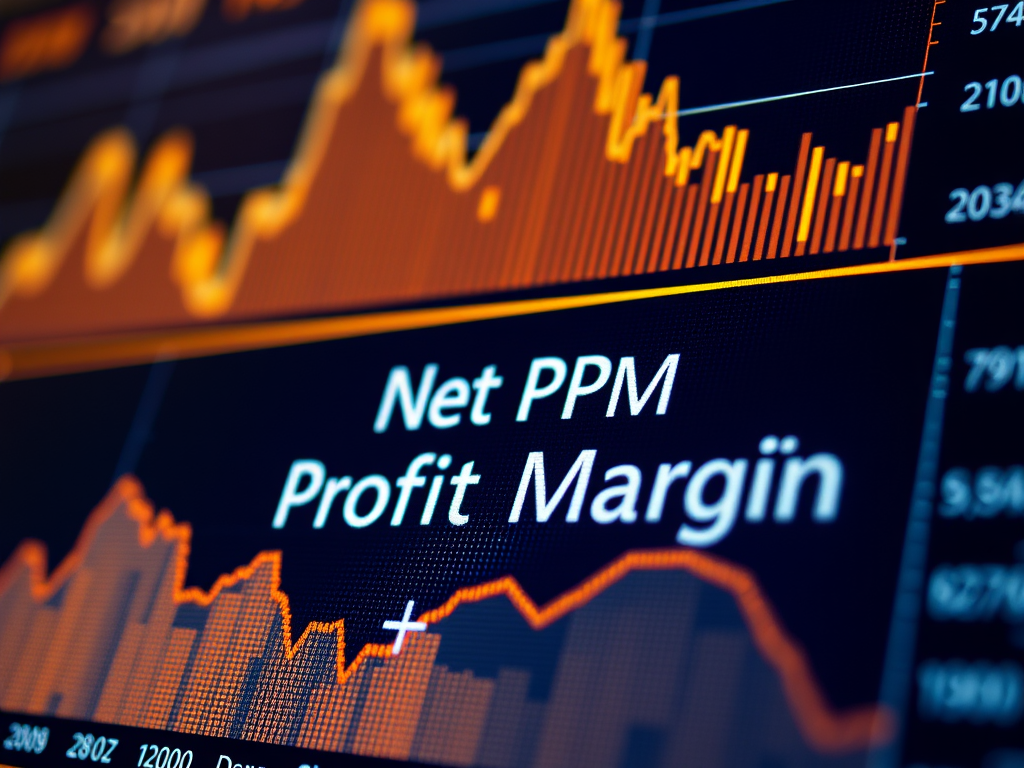
    A chart or graph displaying financial data, with a clear focus on "Net PPM" or "Profit Margin"
    A chart or graph displaying financial data, with a clear focus on “Net PPM” or Profit Margin

    You might think it curious that Amazon provides you with such a sensitive internal metric. However, it is a powerful strategic tool for them, designed to influence vendor behaviour and optimise their own vast retail operation.

    • Their Profitability Barometer: Amazon uses Net PPM to instantly see how valuable your products are to their bottom line. A low Net PPM signals a problem for them, indicating that a particular product is not pulling its weight financially within their system.
    • Influencing Your Actions: By transparently showing you this data, Amazon implicitly sends a clear message: “Help us make more money on your products!” This nudge encourages vendors to critically review and optimise their costs, manage promotions strategically, and ensure their products contribute positively to Amazon’s financials. It is about aligning your incentives with theirs.
    • Negotiation Leverage: Come negotiation time, Net PPM is not just a secondary point; it is a primary discussion point. If your products boast a consistently healthy Net PPM for Amazon, you gain significant leverage in discussions about terms, pricing, or even new product launches. Conversely, if it is consistently low, you can expect substantial pressure to make concessions or adjust your commercial arrangements.
    • Avoiding the “CRaP Out” Risk: Perhaps one of the most critical reasons to pay attention is the risk of being deemed “CRaP” (Can’t Realise any Profit). Products with consistently poor Net PPM for Amazon are at high risk of falling into this category. This can lead to a range of detrimental outcomes for vendors, including reduced purchase orders, loss of eligibility for key advertising programmes, or even the dreaded delisting of your product from Amazon’s catalogue. Amazon gives you the data to try and prevent this outcome, effectively providing you with a chance to address the issue before it escalates.

    Your Action Plan as a Vendor: Mastering Net PPM

    Don’t let Net PPM remain a mystery. Mastering this metric is a fundamental step towards building a more sustainable and ultimately more profitable partnership with Amazon.

    1. Monitor Actively: Make it a regular habit to dive into your Retail Analytics in Vendor Central. Track Net PPM not just for your entire catalogue but, crucially, for individual ASINs. Identify which products are performing well and which are flagging.
    2. Identify Opportunities: Pinpoint those products with consistently low Net PPM. Can you work on optimising your cost structure with your manufacturers? Is it time to re evaluate your contributions and allowances? Could a refinement of your promotional strategy boost Amazon’s margin without compromising your own? Each low Net PPM product represents an opportunity for improvement.
    3. Prepare for Discussions: When your Vendor Manager inevitably brings up Net PPM, be ready. Understand your numbers inside out and have a clear, data backed plan to demonstrate how your products add value and contribute positively to Amazon’s profitability. Proactivity here can turn a potential challenge into a collaborative success.

    Understanding Net PPM moves you from being a passive supplier to a strategic partner in Amazon’s ecosystem. It is not just about their profit; it is about securing your future sales and ensuring your products remain viable and prioritised on the world’s largest online marketplace.